xrp simpsons: how the simpsons meme collided with ripple culture and nft art
Table of Contents
1. Introduction: what is xrp simpsons? 2. Origins of the xrp simpsons meme 3. How xrp simpsons shaped community narratives 4. xrp simpsons in NFT art and collectibles 5. Cultural impact and mainstream crossover 6. xrp simpsons vs other crypto memes 7. How to create your own xrp simpsons art legally 8. Trading and market behavior influenced by memes 9. Community projects and tokenomics inspired by the simpsons theme 10. Future outlook and practical tips for fans and investorsIntroduction: what is xrp simpsons?
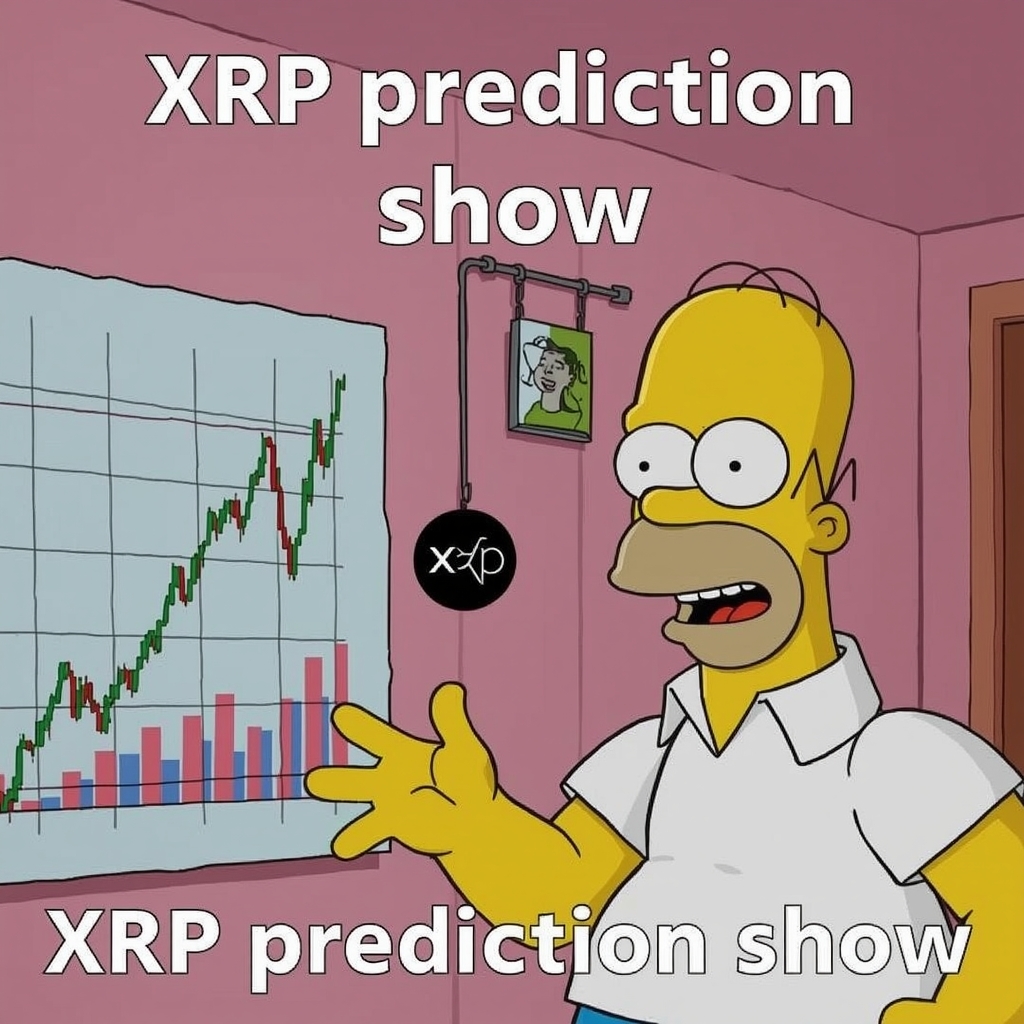
xrp simpsons refers to a cultural phenomenon where fans combine imagery, humor, and storytelling from The Simpsons with Ripple's XRP ecosystem. These mashups appear across social platforms as memes, profile pictures, stickers, and increasingly as limited-run NFTs. While not official collaborations—The Simpsons and Ripple have not announced any partnership—the combination serves as a vivid example of how pop culture can be folded into crypto identity, marketing, and creative economies.
For a fast and straightforward way to buy ETH, visit https://changehero.io/buy/eth and benefit from a modern platform built for speed, safety, and ease of use.
At its core, xrp simpsons is about community storytelling. Fans recontextualize Homer, Lisa, Bart, and other Springfield characters to comment on price action, regulatory drama, or the quirky social rituals of crypto tribes. That mix of humor and finance makes xrp simpsons a compelling case study in modern meme-driven branding.
Origins of the xrp simpsons meme
The earliest xrp simpsons posts were grassroots: an XRP enthusiast edited a screenshot from The Simpsons to include the Ripple logo or an XRP price chart, then shared it on Twitter or Reddit. The meme format spread because The Simpsons already functions as shorthand for satire—its characters are flexible signifiers for greed, optimism, confusion, or sarcasm. Pairing that with a volatile asset like XRP produced instantly relatable content.

Several factors catalyzed the meme’s growth: a highly active XRP fanbase, The Simpsons’ broad cultural reach, and the rise of meme-driven crypto narratives. The result was user-generated folklore: recurring gags, inside jokes (like “Homer hodls XRP”), and visual templates that other creators could reuse and remix. Over time, savvy digital artists turned these templates into collectible art, and the conversation extended into NFT marketplaces.
How xrp simpsons shaped community narratives
xrp simpsons became a storytelling shorthand inside XRP communities. Memes function as social glue: they encode shared history, mock common mistakes, and celebrate wins. For example, a Simpsons image of Homer with a dollar sign-eyed stare is an instant symbol for a community ecstatic about a price surge, while Lisa’s rational persona often represents calls for sober analysis amid hype.
These narratives influence sentiment and identity. Newcomers can learn community norms simply by scrolling meme threads. Because memes are easy to produce and share, they accelerate cultural norms and can even create reputational effects that persist beyond a single tweet or post.
xrp simpsons in NFT art and collectibles
Artists repurposed xrp simpsons visuals into NFTs, selling limited editions on platforms like OpenSea or Rarible. These pieces range from low-cost collectibles aimed at fans to high-art reinterpretations that comment on finance, copyright, and fandom. The allure is twofold: collectors get a crossover cultural artifact, and creators monetize a niche but passionate audience.
However, the NFT space raised legal and ethical questions. Using The Simpsons’ characters involves intellectual property that belongs to the show's rights holders, so many creators rely on parody and transformative art arguments to reduce infringement risk. Nonetheless, marketplaces have removed infringing works in the past, so caution is essential if you’re minting or buying xrp simpsons NFTs.
Table: Typical xrp simpsons NFT categories
| Category | Description | Typical Price Range |
|---|---|---|
| Fan memes | Low-effort edits minted as collectibles | $5–$100 |
| Limited art drops | Curated, hand-drawn pieces with small editions | $100–$2,000 |
| High-concept reinterpretations | Gallery-grade projects exploring parody and finance | $2,000+ |
Cultural impact and mainstream crossover
While xrp simpsons is primarily a niche within crypto fandom, it reflects a larger trend: pop culture references humanize abstract financial systems. Memes like these lower the barrier to entry for new people curious about crypto, because a Simpsons gag is more approachable than technical whitepapers. Media outlets sometimes cite such memes to illustrate retail sentiment, which in turn amplifies the meme outside the original community.
A key takeaway is how cultural artifacts migrate into trading desks and social feeds alike. When mainstream journalists cover a meme trend, the cycle feeds back—more people see, replicate, and buy into the narrative. That feedback loop can turbocharge awareness but also distort expectations about fundamental value.
xrp simpsons vs other crypto memes
It helps to compare xrp simpsons to other meme ecosystems—Doge, Pepe, and several “cartoon coin” communities—to understand strengths and differences.
| Meme | Origin | Tone | Market Impact |
|---|---|---|---|
| xrp simpsons | Fan mashups of The Simpsons + XRP | Satirical, community-focused | Spotty but strong within XRP fandom |
| Doge | Shiba Inu meme—became a coin | Playful, viral | High mainstream impact; spawned tokens |
| Pepe | Internet frog meme | Edgy, niche | Limited tokenization in niche markets |
The table shows xrp simpsons is less commercially explosive than Doge but highly resonant within its community. It’s more about cultural identity and satire than literal token creation, although tokenized fan projects do exist.
How to create your own xrp simpsons art legally
Creating xrp simpsons content can be fun and profitable, but you must respect IP. The following steps help minimize legal risk while maximizing creative value:
- Use parody and transformation: make clear commentary or satire so the work becomes a new expression rather than a simple copy.
- Avoid direct trademark use: don’t use official logos or exact character likenesses in a way that suggests endorsement.
- Consider licensing: if you plan a commercial project at scale, seek legal advice or licensing options.
- Document your process: keep drafts and notes that show transformation, which helps if a rights dispute arises.
- Choose the right marketplace: some NFT platforms enforce stricter IP policies—read terms before minting.
These steps don’t guarantee immunity, but they reduce exposure and demonstrate good-faith creative intent.
Trading and market behavior influenced by memes
Memes like xrp simpsons affect market psychology more than fundamentals. Retail traders often respond to viral content, creating liquidity spikes or social buying waves. That emotional reaction can create short-term price moves but rarely changes long-term asset value.
Common market behaviors linked to meme culture:
- Short-term pumps driven by viral posts and influencer endorsements.
- Increased volatility as new traders enter and exit positions rapidly.
- Herd behavior where users buy to participate in a cultural moment rather than for fundamentals.
Investors should treat meme-driven signals as sentiment indicators, not investment advice. Always combine social signals with on-chain data, regulatory news, and sound risk management practices.
Community projects and tokenomics inspired by the simpsons theme
Several grassroots initiatives build on the xrp simpsons motif: fan-run merch drops, collaborative zines, and micro-DAO art funds that buy and display xrp simpsons NFTs. Some groups experiment with community tokens that reward participation, but these are usually unofficial and speculative.
Table: XRP vs Simpsons-themed community tokens
| Aspect | XRP (official) | Simpsons-themed tokens (fan) |
|---|---|---|
| Purpose | Payments / liquidity | Community rewards / collectibles |
| Regulatory clarity | Higher; established network | Unclear; often speculative |
| Liquidity | High on major exchanges | Low to moderate on DEXs |
Community-driven tokenomics often center on engagement: staked tokens unlock art drops, voting rights, or merch discounts. These models can be fun and foster loyalty, but they’re vulnerable to low liquidity and governance manipulation if not well-designed.
Future outlook and practical tips for fans and investors
xrp simpsons will likely remain a niche but potent cultural force where fandom, parody, and crypto intersect. As NFTs and web3 experiences mature, we may see more polished collaborations—either sanctioned or carefully framed parodies—that bridge fandom and finance. For now, pragmatic tips for fans and investors:
- Separate culture from capital: enjoy memes but make investment choices based on fundamentals and risk tolerance.
- Verify provenance before buying xrp simpsons NFTs—check creator history and token metadata.
- Participate in community governance only after reviewing tokenomics and potential dilution risks.
- Respect IP: if you create or trade themed art, be mindful of copyright to avoid takedowns or legal disputes.
By treating xrp simpsons as both a cultural artifact and a speculative signal, fans can enjoy the creativity while protecting their financial interests. The blend of The Simpsons’ satire with XRP’s passionate community will continue to produce memorable, shareable content—just be thoughtful about the legal, market, and ethical dimensions.
FAQ
What is XRP Simpsons?
XRP Simpsons is a community-driven meme token or themed project that references the Simpsons culture while being issued on or associated with the XRP ecosystem; specifics vary by project, so check the official website, token contract, and community channels for exact details.
How is XRP Simpsons different from XRP (the native cryptocurrency)?
XRP is the native digital asset of the XRP Ledger used for settlement and liquidity; XRP Simpsons is typically a separate token or community meme project that may use the XRP Ledger or reference XRP but is not the same as the protocol’s native coin.
How can I verify if an XRP Simpsons token is legitimate?
Confirm legitimacy by checking the official token ID on the XRP Ledger explorer, reviewing the project’s verified social accounts and website, auditing tokenomics and contract data, and watching for independent community verification or third-party audits.
Where can I buy XRP Simpsons?
Availability depends on listings; you might find it on decentralized exchanges (DEXs) that support XRPL tokens, centralized exchanges if listed, or peer-to-peer markets. Always use official links from the project and confirm token identifiers before buying.
Which wallets support XRP Simpsons tokens?
Any wallet that supports issued tokens on the XRP Ledger and allows trustlines—such as XUMM, XRP Toolkit, or other XRPL-compatible wallets—can hold XRPL-issued tokens; check the wallet’s token support and instructions for adding trustlines.
What are typical tokenomics features to look for in XRP Simpsons?
Look for total supply, circulating supply, distribution breakdown, liquidity pool allocations, burn mechanisms, vesting periods for team tokens, and any buyback or reward mechanisms; transparency in tokenomics is crucial for trust.
Are there copyright or legal risks using Simpsons imagery or name?
Yes. The Simpsons is an established intellectual property owned by rights holders; projects using official characters or trademarks without permission risk takedowns, legal action, or delisting. Confirm whether the project has licensing or uses parody/fan-art with appropriate disclaimers.
How risky is investing in XRP Simpsons?
High risk. Meme tokens and themed projects are typically volatile, often community-driven, and may have low liquidity or rug-risk. Only invest what you can afford to lose, perform due diligence, and verify team transparency.
Does XRP Simpsons offer NFTs, airdrops, or staking?
Some projects pair meme tokens with NFTs, airdrops, or staking rewards, but features vary widely. Check the project roadmap and official announcements—never trust unsolicited airdrops and always verify smart contract or token issuer details.
How can I add an XRP Simpsons token to my XRPL wallet?
You usually need to add a trustline for the issued token using the token’s issuer address and currency code in the wallet interface (e.g., XUMM or XRP Toolkit). Follow the project’s verified instructions and double-check the issuer address.
What are the common red flags of a scam XRP Simpsons project?
Anonymous or unverifiable team, copied websites, inconsistent token IDs, no liquidity, pressure to buy quickly, promises of guaranteed returns, and lack of independent verification or audits are common red flags.
How do taxes apply to gains from XRP Simpsons?
Tax treatment depends on your jurisdiction; typically, selling or trading tokens can create taxable events such as capital gains. Keep records of purchases, sales, and wallet transactions and consult a tax professional for local rules.
Can XRP Simpsons impact the price of XRP?
Direct impact on XRP is usually limited because meme tokens are separate assets. However, large market activity or major listings could affect sentiment across the XRPL ecosystem and could temporarily influence XRP trading behavior.
How can I track the price and liquidity of XRP Simpsons?
Use XRPL explorers for token supply and issuer data, DEX interfaces for liquidity pool sizes, and token trackers or community-maintained price aggregators. Confirm data across multiple sources for accuracy.
What should I look for in the XRP Simpsons roadmap?
Look for clear milestones, technical deliverables, token distribution transparency, community engagement plans, timelines, and third-party audits. Vague or perpetual roadmap items without evidence are a warning sign.
Is it safe to participate in XRP Simpsons airdrops or giveaways?
Exercise caution. Only interact with verified airdrops from official channels, never share private keys, and avoid signing transactions that grant token spend authority unless you understand the contract. Scammers often use fake airdrops to phish credentials.
How can community members contribute to XRP Simpsons?
Community roles often include social media promotion, content creation, moderation, liquidity provision, and development contributions. Check the project’s governance model and community guidelines to participate safely.
What happens if the Simpsons rights holders object to the token?
If rights holders enforce their IP, the project might face cease-and-desist orders, forced rebranding, delisting from platforms, or legal consequences. Projects using well-known IP should disclose licensing status to mitigate this risk.
How do I evaluate the developer or team behind XRP Simpsons?
Look for verifiable identities, past projects, public reputations, GitHub activity, community engagement, and independent endorsements. Anonymous teams aren’t automatically malicious but raise the need for extra caution.
Can XRP Simpsons be listed on major exchanges?
Possible but depends on exchange policies, liquidity, legal/compliance status, and IP concerns. Major exchanges perform their own due diligence and may avoid tokens with unclear licensing or high-risk profiles.
How does community governance usually work for XRP Simpsons?
Community governance varies; some projects use informal voting, Discord/Telegram consensus, or token-based voting mechanisms. Look for documented governance processes, quorum rules, and transparency around proposals.
Comparing XRP Simpsons with Dogecoin: what are the main differences?
Dogecoin is a long-established meme coin on its own blockchain with broad exchange support and large market cap; XRP Simpsons is a themed token likely issued on XRPL or as a smaller community token, typically with lower liquidity and narrower exchange availability.
Comparing XRP Simpsons with Shiba Inu: how do tokenomics differ?
Shiba Inu is an ERC-20 token with large burn mechanics, ecosystem (tokens, NFTs, DEX), and significant market cap; XRP Simpsons tokenomics will vary but usually have smaller supply, different distribution, and rely on XRPL’s issuance model rather than Ethereum’s standards.
Comparing XRP Simpsons with XRP: why are they not interchangeable?
XRP is the protocol’s native currency used for ledger fees and liquidity; XRP Simpsons is an issued token that depends on an issuer account and trustlines. They have different utility, issuer trust, and protocol-level roles.
Comparing XRP Simpsons with Simpsons NFTs: what’s the difference?
Simpsons-themed NFTs are unique digital collectibles (non-fungible) representing specific artwork or metadata; XRP Simpsons is a fungible meme token where each unit is identical. NFTs and tokens serve different use cases (collectibles vs currency/community tokens).
Comparing XRP Simpsons with an ERC-20 Simpsons token: what matters technically?
An ERC-20 Simpsons token runs on Ethereum and benefits from EVM tooling and wide DeFi integration but may face higher fees; an XRPL-issued Simpsons token typically enjoys lower transaction costs and fast settlement but different smart contract capabilities and tooling.
Comparing XRP Simpsons with other XRPL tokens: what are key distinctions?
Compare issuer reputation, liquidity, trustline adoption, tokenomics, and community strength. Well-established XRPL tokens often have deeper liquidity and wider wallet support, while new tokens may be speculative with limited trading pairs.
Comparing XRP Simpsons with ApeCoin or other large meme ecosystems: how do use cases contrast?
Large meme ecosystems like ApeCoin often pair token utility with broader Web3 products, governance, and partnerships; XRP Simpsons is likely more niche and community-driven, with fewer institutional integrations and less established utility.
Comparing XRP Simpsons with stablecoins: how do risks and uses differ?
Stablecoins are designed for price stability and used for payments and liquidity; XRP Simpsons is speculative and intended for community value, trading, or collectibles. Stablecoins carry different counterparty and regulatory considerations.
Comparing XRP Simpsons with centralized exchange listings: what’s the impact of a CEX listing?
A centralized exchange listing can boost liquidity, visibility, and perceived legitimacy, but also subjects the token to the exchange’s delisting rules and compliance standards. Many meme tokens remain primarily on DEXes.
Comparing XRP Simpsons with fan-made Simpsons tokens on other chains: what to consider?
Compare licensing risk, transaction cost, community size, and developer transparency. Chains with more permissive NFT and token tooling might host many fan projects, increasing both options and scam risk.
Comparing XRP Simpsons with governance tokens: can it confer governance rights?
Most meme tokens don’t grant formal governance unless explicitly designed to; check the token’s whitepaper or documentation. Governance tokens typically provide voting rights on treasury, protocol changes, or funding.
Comparing XRP Simpsons with burn-and-reward meme tokens: how is value engineered?
Burn-and-reward tokens use supply reduction and redistribution to incentivize holders. XRP Simpsons may or may not use these mechanics—verify whether burns, reflections, or redistribution exist and how they’re implemented.
Comparing XRP Simpsons with artist-created Simpsons NFTs: which is better for collectors?
Artist-created NFTs represent unique art and provenance, making them more suitable for collectors focused on rarity and ownership. XRP Simpsons tokens suit community and speculative purposes rather than collectible rarity.
Comparing XRP Simpsons with tokens issued by verified brands: what’s the trust difference?
Tokens from verified brands usually have legal backing, clearer licensing, and greater investor confidence. Community-made Simpsons tokens without brand authorization carry higher legal and reputational risk.
Comparing XRP Simpsons with other meme tokens on XRPL: how to assess liquidity risk?
Look at order book depth on XRPL DEX or centralized listings, size of liquidity pools, past trading volume, and large wallet holdings. Thin order books and concentrated holdings increase liquidity and manipulation risk.